Skip to content
HomeDesignLeader
Home Design Leader
Primary Navigation Menu
Menu
  • Design & Architecture
  • Home decor
  • Furniture
  • Outdoor furniture
  • Garden
  • Seasonal Decorating

Garden (Page 2)

A garden can look very different depending on where plants, paths, open areas, and structural elements are placed. Useful garden ideas usually begin with the site itself: sunlight, drainage, slopes, existing trees, and the amount of space available for planting, movement, and maintenance.

Garden Design and Landscape Planning

Sun, drainage, slopes, existing trees, and the way people move through the yard usually set the limits before new plants enter the picture. Good garden design works with those conditions instead of forcing every area into the same layout. Repeating plant forms or colors can help garden landscaping feel connected, while paths, borders, screens, and outdoor lighting add structure and make different parts of the yard easier to use.

Choosing Plants for Landscape Design

A sunny border, a shady corner, and a steep slope rarely need the same plants. Evergreen trees and shrubs can provide year-round structure, flowering plants bring changing color, and ground covers help soften edges or fill difficult spaces. Juniper shrubs are especially useful where evergreen foliage, slope coverage, lower maintenance, or vertical structure is needed. A few site conditions deserve checking before anything goes into the ground:

  • sunlight and shade through the day;
  • soil drainage and moisture;
  • mature plant height and spread;
  • exposure to wind and seasonal weather.

Plants matched to the site usually need less watering, moving, pruning, or rescuing later. Choosing for mature size also reduces crowding and unnecessary maintenance as beds and borders fill out.

Garden Care Through the Growing Seasons

Most garden problems eventually come back to a short list: unsuitable soil, too much or too little water, poor drainage, or plants crowded into the wrong place. Newly planted shrubs and trees need closer attention while roots establish, while mature plants often require much less intervention once they suit the site. Pruning, watering, drainage, and seasonal plant care should respond to the species rather than follow one routine for the entire garden. A well-planned landscape often becomes easier to maintain as it matures instead of demanding more work every year.

Ornamental Juniper Shrubs for Color and Garden Texture

Great-Looking Juniper Shrubs for Color, Texture and Garden Structure

2023-09-04
On: September 4, 2023

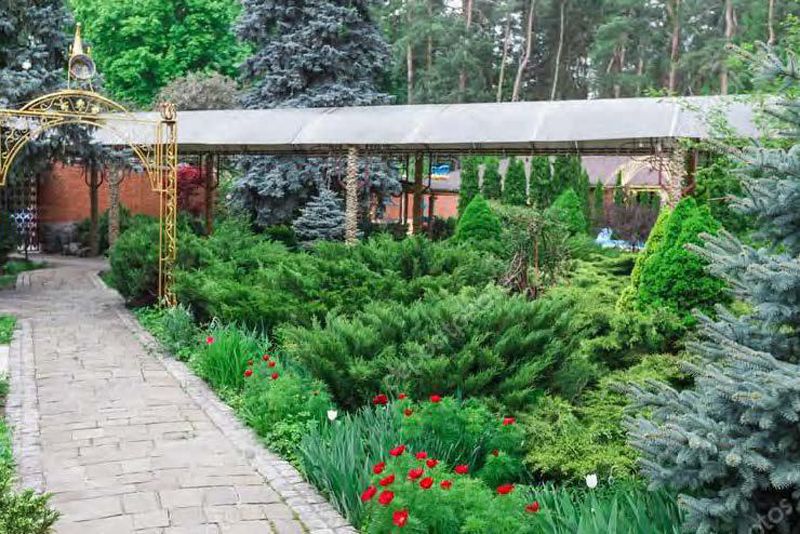
Junipers can contribute much more to a garden than a permanent patch of green. Depending on the species and cultivar, they may creep close toContinue Reading

landscaping plants

The most beautiful landscaping plants for your garden

2023-09-01
On: September 1, 2023

A beautiful garden is the result of careful planning and the use of appropriate landscaping plants. They can transform your outdoor space into a vibrant,Continue Reading
backyard ideas

Landscape design for your garden

2023-08-27
On: August 27, 2023

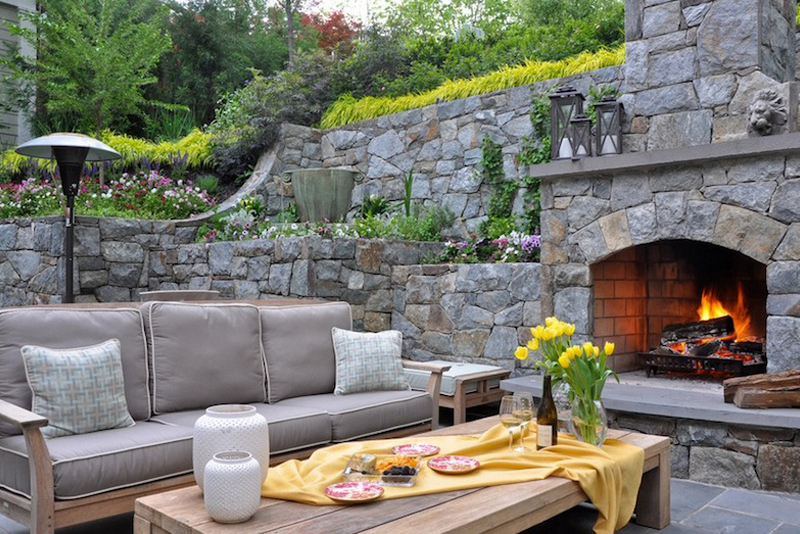
Landscape design is a blend of art and science. It’s all about transforming your outdoor space into a haven of beauty and function. Using backyardContinue Reading
larch tree

Features of planting larch and fir tree in the garden

2018-10-02
On: October 2, 2018

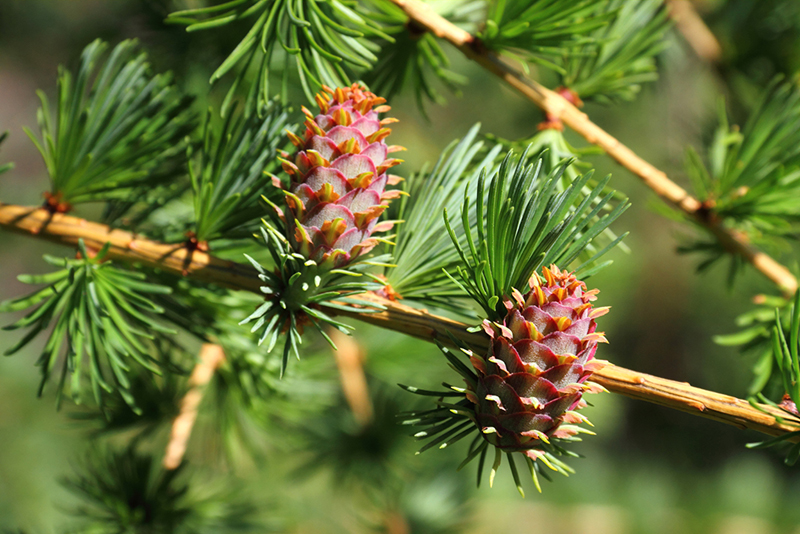
The fir tree is a quintessential symbol of evergreen beauty, offering a touch of elegance and resilience to gardens and landscapes. Whether standing tall aloneContinue Reading

Posts pagination

Previous 1 2

Recent Post

  • How to Make Thanksgiving Decor Feel Collected, Not Themed
  • How to Mix Wood Tones in a Bedroom Without Matching Everything
  • What Color Curtains Go With Your Walls? 15 Wall Colors Explained
  • Which Juniper Shrubs for Landscaping Are the Most Useful Types
  • The Timeless Appeal of Wooden Furniture in the Bedroom
  • The Benefits of Sustainable Wooden Furniture for Your Bedroom
  • Bathroom Decorating Ideas That Transform Your Space

© 2026