
The best materials for patio furniture are not necessarily the ones that look toughest in a showroom. A chair that performs well on a covered porch may age very differently on an exposed coastal terrace, while a lightweight set that is easy to move can become frustrating in a windy backyard.
Climate is only part of the decision. Storage space, maintenance habits, furniture weight, and the way the patio is used can make aluminum, teak, steel, resin wicker, plastic, or stone either a smart choice or an inconvenient one.

What Matters More Than the Look of Patio Furniture
Start with exposure rather than style. A covered patio shields furniture from much of the rain and direct sun, while an open deck places greater demands on frames, finishes, cushions, and hardware.
Before choosing a material, consider how the space behaves through the year. The most important conditions include:
- frequent rain or high humidity;
- strong direct sun for much of the day;
- salt air near the coast;
- freezing temperatures and freeze-thaw cycles;
- strong wind on exposed patios;
- how much cleaning, refinishing, or seasonal storage you are willing to do.
Furniture weight deserves attention as well. Lightweight chairs are easy to rearrange or store, but heavier pieces may be far less troublesome where wind regularly moves small tables and seating. There is also no rule that every piece on a patio must use the same material; metal dining frames, wood accents, synthetic woven seating, and removable cushions can work together when each component suits the conditions around it.
Patio Furniture Materials Compared
No material wins every category, so this comparison works better as a starting point than as a ranking. Climate, finish quality, and construction can still change how each option performs in practice.
| Material | Outdoor Durability | Maintenance | Weight | Best Fit |
|---|---|---|---|---|
| Aluminum | High with a good finish | Low | Light | Humid climates and versatile patios |
| Teak | High | Medium | Medium to heavy | Natural wood appearance |
| Steel | Good with protective finish | Medium | Heavy | Windy or exposed patios |
| Resin wicker | Good to high depending on quality | Low | Light to medium | Lounge seating and casual patios |
| Plastic / recycled plastic | High depending on formulation | Low | Light to heavy | Easy-care outdoor spaces |
| Stone / ceramic | Material-dependent | Low to medium | Very heavy | Permanent tables and accents |
The frame tells only part of the story. Welds, powder coating, woven surfaces, tabletops, fasteners, and cushions can all affect how well a set ages, which is why two pieces made from the same basic material may perform very differently outdoors.
Aluminum Patio Furniture Works Well in Wet Conditions
Aluminum is one of the easier outdoor furniture materials to live with because it does not rust like ordinary steel. That makes it practical in rainy or humid locations where furniture frequently gets wet.
Powder coating adds both color and protection, although finish quality varies. Scratches, poorly finished joints, or inexpensive hardware may deteriorate faster than the aluminum frame itself.
Low weight makes chairs easier to move for cleaning, entertaining, or storage, but exposed patios introduce a trade-off. Very light pieces can shift in strong winds, so construction and overall weight deserve more attention than the word “aluminum” on the product description.
Metal surfaces can also become hot in direct summer sun. Cushions, umbrellas, or partial shade make aluminum seating considerably more comfortable during the hottest hours.
Teak and Other Woods Need Different Levels of Care
Wood brings warmth to outdoor spaces in a way that metal and plastic rarely imitate convincingly. The category is broad, however, and different species vary greatly in their resistance to moisture, insects, sunlight, and seasonal movement.
Teak patio furniture is popular because the wood’s natural oils and dimensional stability help it cope with changing weather. Left untreated, teak usually develops a silver-gray surface rather than retaining the warm golden-brown color of new furniture.
Other durable woods can perform well outdoors too, but some need more regular finishing or protection. Good wood can still fail early when the furniture is poorly built. Joints that trap water and exposed end grain can shorten the life of otherwise suitable outdoor furniture. USDA Forest Service research on wood used for outdoor furniture also distinguishes between surface weathering and decay when considering outdoor service life.
Anyone buying wood mainly for its fresh color should include maintenance in the decision. Preserving that appearance requires more attention than allowing the surface to weather naturally.
Teak Can Weather Without Looking Neglected
A gray teak surface does not automatically signal failing furniture. Natural weathering changes the appearance long before it necessarily damages the underlying structure.
That distinction can prevent unnecessary treatment. Decide whether you want to preserve teak’s original color or allow it to age naturally, then choose a maintenance routine that supports that result.
Steel and Wrought Iron Trade Weight for Strength
On an exposed patio, the weight of steel can be an advantage rather than a nuisance. Substantial dining sets and benches are less likely to move in strong wind, while slim metal frames can still support considerable loads.
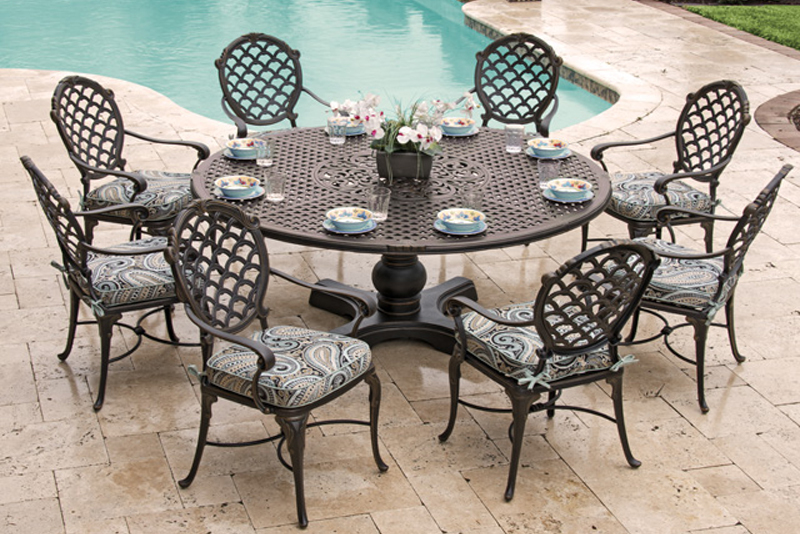
Corrosion remains the main weakness. Paint, powder coating, galvanizing, and other protective finishes separate the metal from moisture, but chips and scratches should not be ignored once bare steel becomes exposed.
Coastal patios need closer inspection because salt speeds corrosion on vulnerable components. Fasteners, welds, and damaged finish may show trouble before the larger frame does.
For a patio that changes layout constantly, heavy steel is less appealing. Stability helps only when the furniture does not require frequent carrying and rearranging.
Resin Wicker Is Not the Same as Natural Wicker
The word “wicker” describes a woven construction rather than one specific material. Traditional plant-based wicker generally lasts better in covered or protected areas, while quality synthetic resin wicker is made for much greater outdoor exposure.
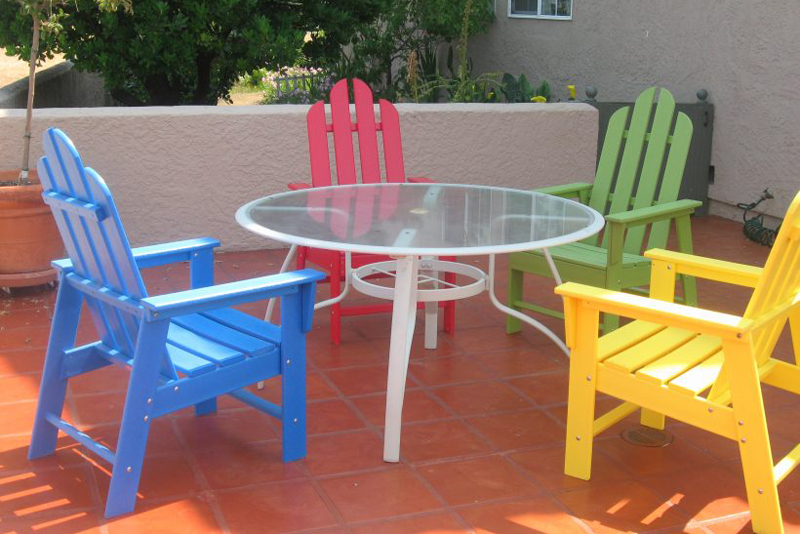
Look beneath the weave when comparing sets. Attractive resin strands wrapped around a weak or poorly protected frame will not make the complete chair durable.
Long periods of direct sunlight also reveal differences in quality. Lower-grade synthetic strands may fade, become brittle, or lose flexibility, while better outdoor formulations tolerate UV exposure for longer.
Cleaning is usually straightforward. Dirt collects in the woven texture, so a soft brush and mild cleaner generally make more sense than aggressive scrubbing that can stress individual strands.
Plastic and Recycled Plastic Can Be More Practical Than They Look
Plastic patio furniture ranges from thin stackable chairs to substantial recycled-polymer pieces, so treating the entire category as one material can be misleading. Weight, rigidity, UV stability, and expected lifespan vary considerably.
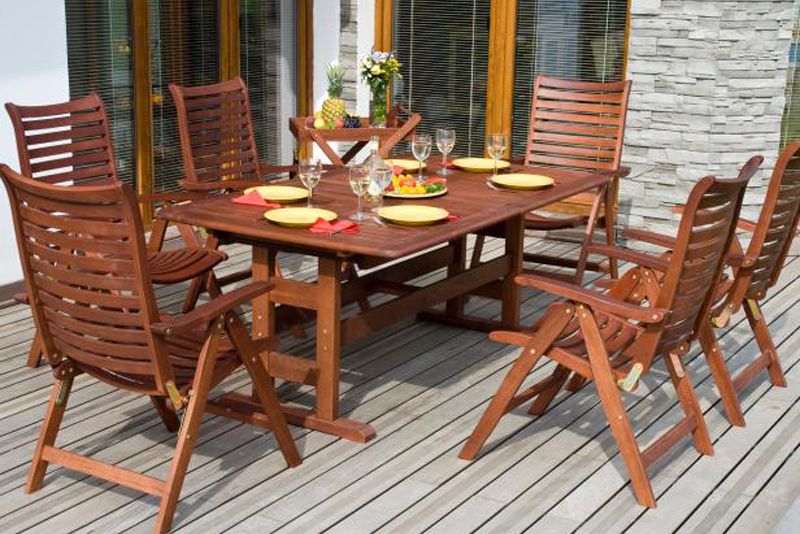
Water itself is rarely the biggest concern. Sun exposure, temperature changes, product formulation, and construction quality usually play a larger role in how plastic furniture ages.
Lightweight plastic works well when portability and simple cleaning come first, although wind can make very light pieces troublesome. Heavier recycled-plastic furniture offers a different balance: substantial weight and little refinishing, but much less convenience when furniture needs to be moved or stored.
Stone and Ceramic Belong in More Permanent Setups
Stone and ceramic work best for tabletops, benches, side tables, and other pieces that stay in place. Their weight creates stability, but it also removes much of the flexibility people expect from movable patio furniture.
Outdoor performance varies with the specific surface. Porosity, staining, and sealing requirements can make one stone or ceramic product much better suited to outdoor use than another.
Hard materials also tend to work best as part of a mixed setup. Cushions, wood, or woven seating can soften a patio that would otherwise feel visually and physically rigid.
Match Patio Furniture Material to the Climate
Weather conditions can change the ranking completely. Furniture protected beneath a roof may age very differently from the same set placed only a few feet away in constant sun and rain.
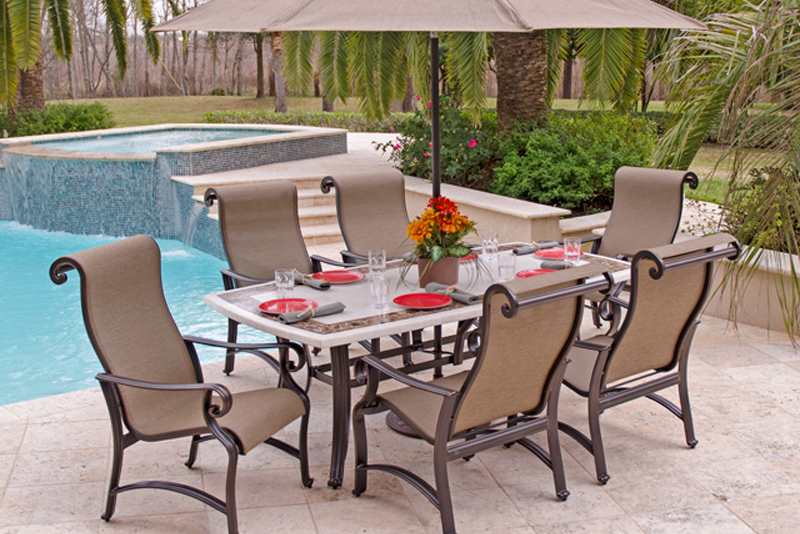
Wet and Humid Climates
Aluminum, quality synthetic wicker, and outdoor-grade polymers require relatively little protection from moisture, which makes them practical choices in rainy or humid regions.
Durable wood can also perform well when water drains freely and air circulates around the furniture. Cushions often become the weak point, so fabrics and inserts should release moisture quickly instead of staying wet against the frame.
Hot and Sunny Patios
Continuous sun creates a different set of problems. Dark metal surfaces can become uncomfortable to touch, fabrics fade faster, and plastic or synthetic wicker depends heavily on UV stability.
Shade protects the furniture as well as the people using it. Umbrellas, pergolas, and thoughtful placement can reduce direct exposure and make a wider range of materials practical.
The patio may also get most of its use after the heat drops. Well-planned garden lighting around paths, plants, and seating areas can extend evening use without placing harsh fixtures directly beside dining or lounge chairs.
Coastal Areas
Salt air pushes corrosion resistance higher on the priority list. Aluminum is often a sensible choice, but frames and fasteners may use different metals, so the smaller components still need periodic checks.
Steel requires more care around scratches and damaged coatings. Where sea spray reaches the furniture directly, occasional rinsing can help remove salt deposits before they build up.
A coastal patio rarely deals with salt alone. Wind, humidity, and intense sun often arrive together, making overall construction quality just as important as the basic frame material.
Cold and Freeze-Thaw Climates
Repeated freezing creates problems when water enters porous materials or damaged surfaces and expands. Stone, ceramic components, joints, and cracked finishes require particular care in climates with regular freeze-thaw cycles.
Some plastics become more brittle at low temperatures as well. Wood should stay clear of persistently wet ground, and furniture should not spend winter sealed inside covers that hold moisture.
Indoor storage helps when practical, but durable patio furniture does not automatically need a garage every winter. Follow the manufacturer’s recommendations and keep outdoor pieces clean, dry, and protected in a way that suits the material.
Maintenance Can Matter More Than the Purchase Price
A material that requires care you dislike can become a poor bargain even if the furniture itself is excellent. Someone comfortable maintaining wood may happily choose teak, while a household that wants little more than periodic washing may prefer aluminum or a quality polymer. The RHS recommendations for maintaining garden furniture show how seasonal care differs among hardwood, metal, plastic, and woven furniture.
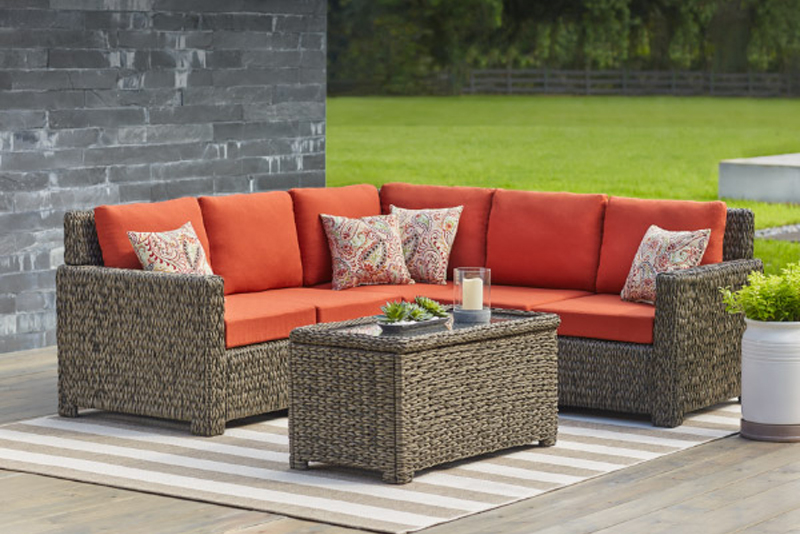
Before buying, consider whether you are comfortable with tasks such as:
- washing dirt and pollen from frames and tabletops;
- checking metal finishes for chips or corrosion;
- cleaning or treating wood when its finish requires it;
- storing or protecting cushions during prolonged bad weather;
- tightening hardware as furniture ages;
- keeping protective covers clean and ventilated.
Location changes the workload too. Furniture beneath trees collects pollen, leaves, and sap, while poolside pieces deal with splashes, wet towels, and frequent movement.
Cushions, Covers and Hardware Can Shorten the Life of a Good Frame
A strong frame cannot compensate for every weak component. Waterlogged cushions, corroding fasteners, failing zippers, and poorly designed covers can make otherwise durable furniture unpleasant to own.
For cushions, look beyond the fabric pattern. Water needs a route out after rain, and removable covers simplify cleaning. Hardware deserves the same scrutiny because screws, bolts, hinges, and connectors often show deterioration before the frame does.
Covers should protect furniture without sealing moisture underneath. A ventilated cover that allows drying may perform better than a tight wrap that remains damp for days.
Choose the Material for the Way the Patio Is Actually Used
The best materials for patio furniture depend on the combination of exposure, movement, and maintenance the space creates. A sheltered dining area, a windy terrace, and a humid poolside patio can all justify different choices.
Instead of looking for one material that wins every comparison, choose furniture that suits the climate, stays where you need it, and fits the amount of upkeep you realistically want to do. That usually matters more over several seasons than which material looks best on the day you buy it.