
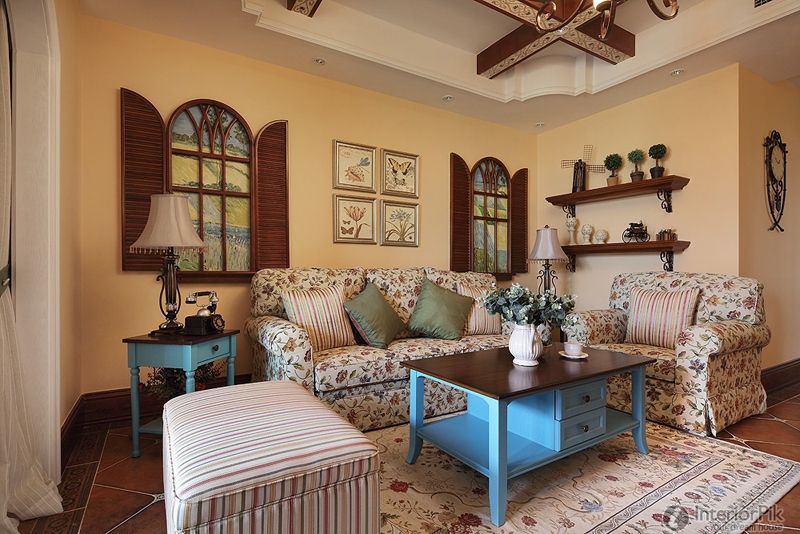
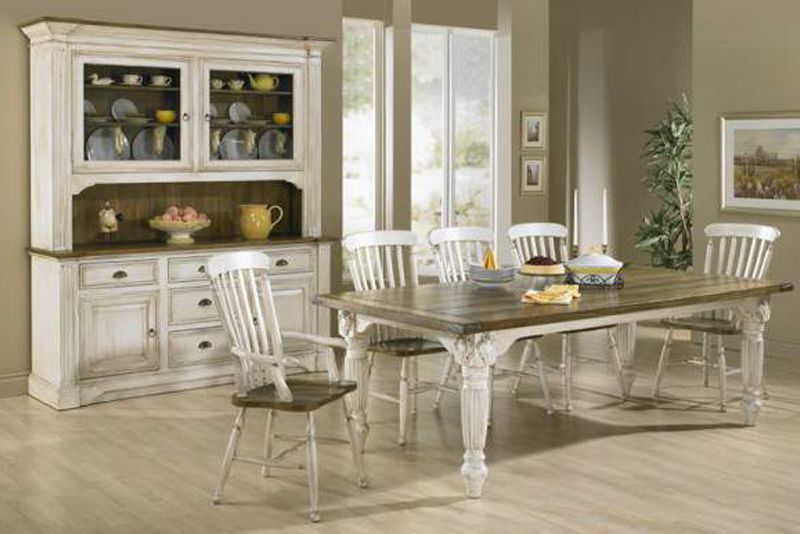
Country style furniture is easy to recognize in a complete room but harder to define piece by piece. A worn wooden table may fit the look, yet age alone does not make furniture country style, and neither do white paint, visible grain, traditional hardware, or a distressed surface on their own.
The main country style furniture characteristics are practical shapes, natural materials, familiar proportions, and finishes that allow wood grain, paint, patina, or ordinary wear to remain visible. Country furniture can be rustic or refined, painted or natural, old or new, but it usually feels informal and domestic rather than formal or showroom-perfect.
What Is Country Style Furniture?
Country furniture grew from practical pieces used in rural homes, cottages, and farmhouses. That background explains why recognizable forms and useful materials remain more important to the style than elaborate ornament or highly polished surfaces.
A modern country room does not need to recreate an old farmhouse. A new oak table, painted cabinet, upholstered chair, or simple wooden dresser can fit naturally when its scale, material, and finish feel relaxed rather than formal.
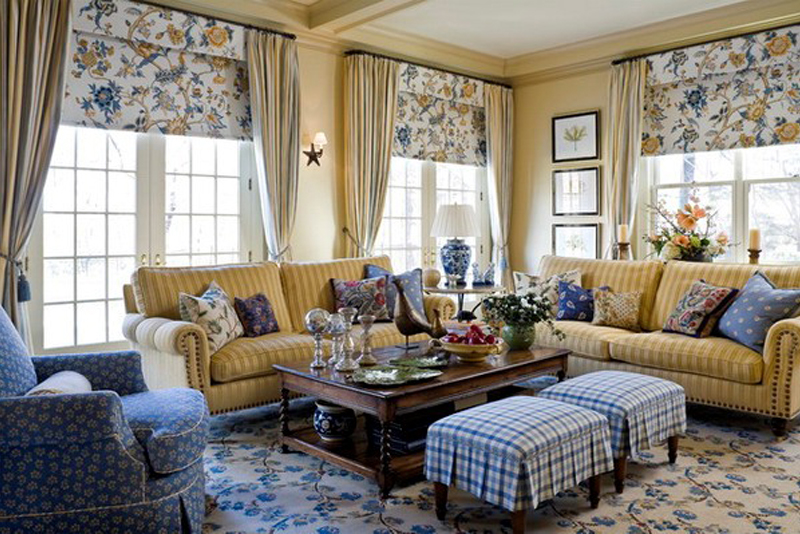
Regional versions also differ. English country often accommodates more pattern and collected furniture, American farmhouse leans toward utility and simpler forms, while French country allows more curves and decorative detail.
Natural Materials Give Country Furniture Its Foundation
Country furniture relies heavily on wood, although wicker, cane, linen, cotton, leather, stone, and metal details often appear beside it. Natural variation in grain, color, and texture keeps these materials from feeling overly processed.
Oak, pine, ash, maple, and other woods can all work. Pronounced grain strengthens the rustic side of the style, while smoother timber and quieter finishes create a more refined interpretation.
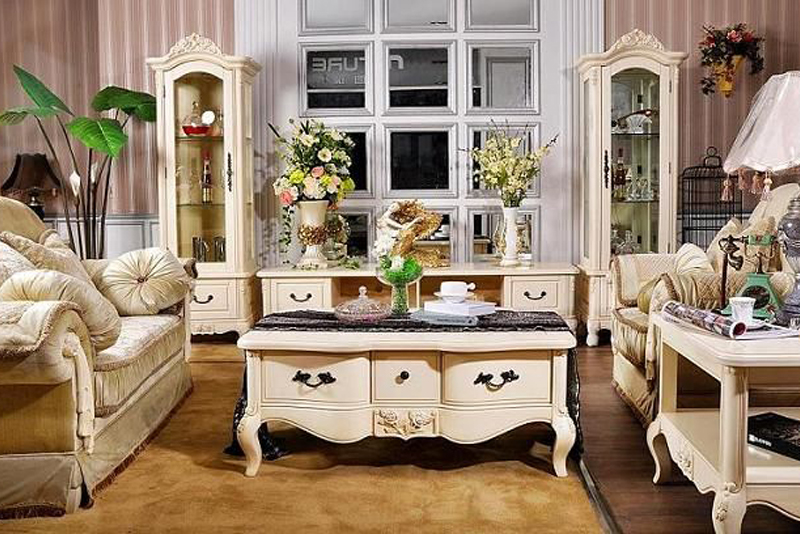
Paint, stain, wax, oil, and lacquer also belong comfortably in a country room. The material does not have to look raw because the finish simply changes whether the furniture feels rustic, traditional, aged, or more contemporary.
Does Country Furniture Have to Be Solid Wood?
No. Solid wood is common, especially in structural areas, but country style does not require every hidden panel or visible surface to use solid timber.
A well-made piece may combine solid legs or frames with veneered panels, plywood, woven material, or upholstery. Construction, proportion, texture, and hardware usually affect the style more than a blanket “solid wood” label.
This distinction also separates appearance from quality. A poorly built solid-wood table is still poorly built furniture, even when the material suits a country interior.
Simple Shapes Define Traditional Country Furniture
Country furniture tends to use forms that look familiar and usable. Dining tables show clear support, cabinets rely on straightforward doors and drawers, and chairs often reveal their structure instead of hiding it beneath elaborate shells.
That does not make every piece chunky or oversized. Turned legs, spindle-back chairs, narrow console tables, and compact bedside cabinets can all fit the style when their proportions remain grounded and practical.
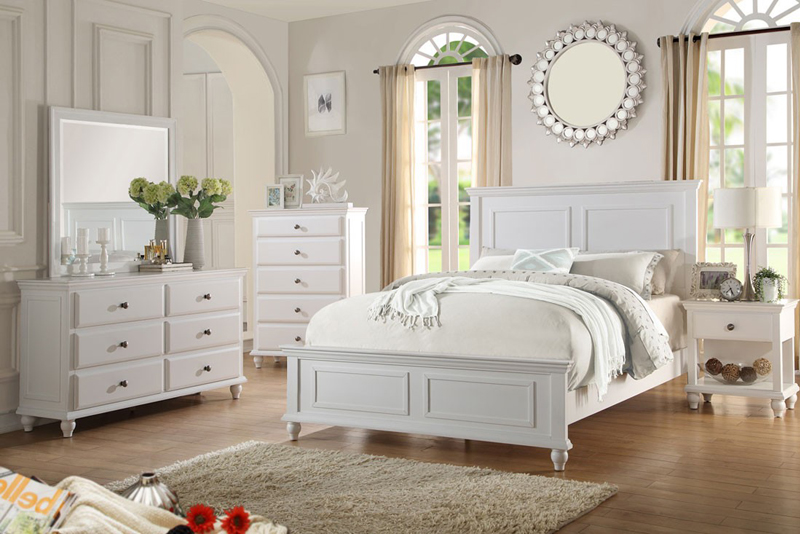
Decoration usually supports the form rather than covering it. Paneled doors, shaped aprons, simple carving, or a turned leg can provide enough character without making the furniture feel overly formal.
Can Country Furniture Have Clean, Modern Lines?
Yes. Straight cabinet fronts, slimmer legs, simpler hardware, and cleaner silhouettes can sit beside natural wood, woven materials, and traditional textiles without losing the country connection.
At that point, the look begins moving toward modern country furniture, where contemporary forms carry more visual weight while warm materials keep the room from becoming minimalist. Once furniture becomes highly glossy, extremely sleek, and visually weightless, however, it may read as contemporary rather than country.
Visible Wood Grain and Natural Imperfections in Country Furniture
Grain, knots, small dents, and moderate signs of wear often suit country furniture because they reveal something about the material. Reclaimed timber can take this further through old nail holes, color variation, or weathered surfaces.
New furniture does not need manufactured damage to achieve the same effect. Brushed wood, matte stain, visible grain, hand-applied paint, or timber with natural variation can provide enough texture without artificial aging.
Problems appear when distressing becomes too uniform. Identical worn edges on every cabinet, chair, and table can make a room feel manufactured rather than collected, while natural variation usually looks less deliberate.
Country furniture can show imperfection and still look maintained. Wear should contribute character rather than make a piece appear neglected.
Country Furniture Finishes Can Be Painted, Distressed or Natural
Painted furniture sits comfortably beside exposed wood in country interiors. Cream, muted green, chalky blue, off-white, warm gray, and deeper traditional colors work especially well on cabinets, dressers, chairs, and side tables.
Paint can also break up a room containing several wood tones. One colored cabinet among natural timber pieces often creates more balance than adding yet another stain.
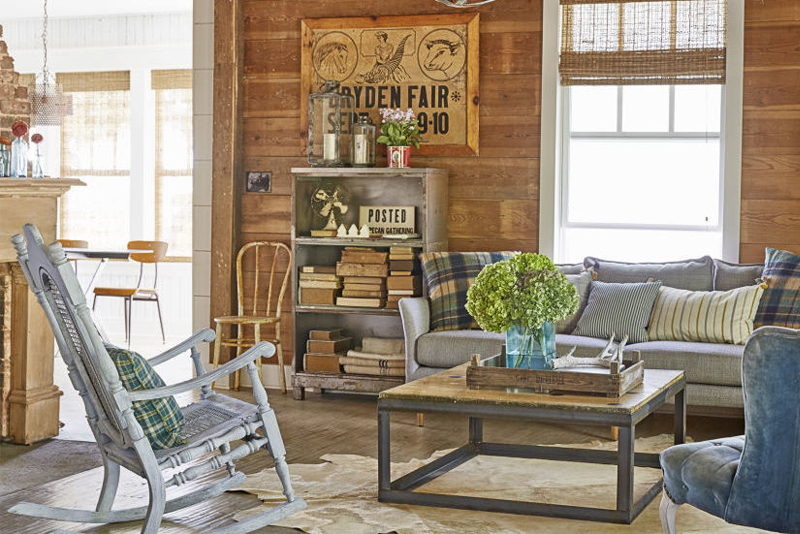
Distressed finishes look most believable when wear appears where real use would occur, such as around handles, edges, corners, and frequently touched surfaces. Random scratches spread evenly across an entire piece tend to look decorative rather than natural.
Does Country Furniture Have to Look Old?
No. New furniture with natural materials, familiar proportions, and restrained finishes can look more convincing than an aggressively distressed reproduction.
Vintage pieces do contribute natural variation because age, repairs, and wear differ from one object to another. New furniture can create a similar sense of variety by mixing finishes and forms instead of making every piece artificially old.
A recently made table can therefore sit comfortably beside an older cabinet and freshly upholstered chairs. The combination often looks more natural than a complete matching suite with identical distressed surfaces.
Country Style Furniture Colors Go Beyond White and Beige
Cream, white, beige, and warm gray are easy companions for wood, but country furniture is not limited to pale neutrals. Muted green, dusty blue, burgundy, clay, ochre, brown, and deeper timber tones all belong within the wider palette.
Traditional country rooms can carry considerably more color than the pale modern-farmhouse interpretation sometimes suggests. One dark cabinet may anchor a bright room, while several large dark pieces packed together can make a smaller space feel heavy.
Paint offers an easy way to vary that balance. A blue or muted green cabinet among natural wood can introduce contrast without changing the underlying furniture style.
Country Furniture Hardware and Joinery Add Character
Handles, knobs, hinges, and latches can shift a piece toward utilitarian, traditional, refined, or aged. Iron, aged brass, bronze tones, ceramic knobs, and simple metal pulls all appear naturally across different country branches.
The hardware does not need to imitate an antique. Clean metal pulls can suit a newer cabinet when their scale and finish work with the timber, paint, and door design.
Visible pegs, framed doors, traditional drawer layouts, shaped aprons, and straightforward joinery can provide decoration of their own. Exact matching is unnecessary because slight variation often helps furniture from different periods feel collected rather than looking like a coordinated retail set.
Upholstery and Textiles Soften Wooden Country Furniture
A room dominated by wood can feel harder than the relaxed atmosphere usually associated with country style. Upholstered chairs, cushions, rugs, table linens, and fabric-covered benches soften the furniture without changing its underlying character.
Linen, cotton, wool, checks, stripes, small florals, and familiar woven patterns work naturally beside timber. Plain upholstery can be just as effective, especially when pattern already appears elsewhere in the room.
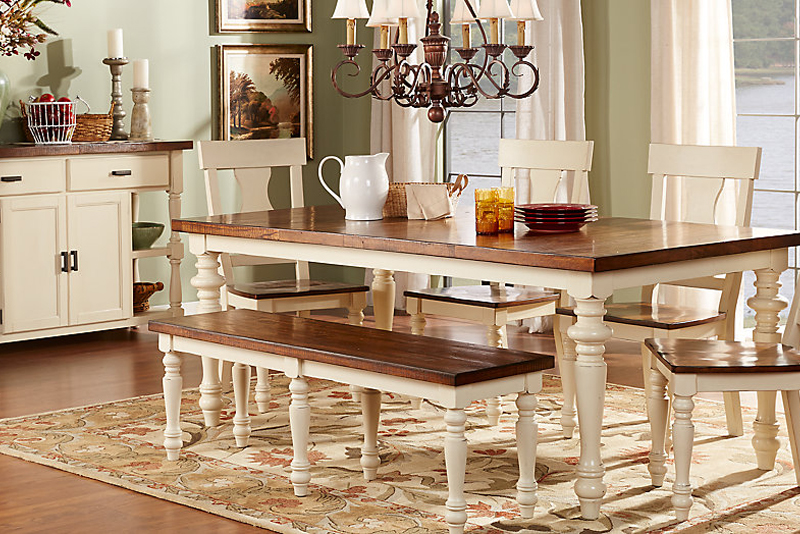
Mixing smooth cotton, heavier weave, leather, wool, and wood creates more believable variation than repeating one fabric or pattern everywhere. This layered approach also helps a room feel lived-in without relying on artificial aging.
Country Furniture for Small Rooms Depends on Scale
Country furniture does not require a large farmhouse. That assumption mostly comes from oversized tables, deep sofas, and substantial storage pieces commonly linked with the style.
Small rooms can use narrow wooden tables, compact dressers, spindle chairs, shallow cabinets, benches, and wall storage without losing country character. The important issue is proportion rather than the physical size of furniture traditionally used in rural houses.
Raised legs can make cabinets feel lighter, while a bench may provide useful seating with less depth than several upholstered chairs. Small rooms usually benefit from fewer pieces with stronger material character instead of many miniature country-themed objects.
What Country Furniture Works Best in a Small Room?
Look first for furniture that earns the space it occupies. A bench can provide seating and storage, a narrow dresser can serve as both storage and display surface, and a compact table may handle several daily functions.
Furniture with visible floor beneath it also preserves breathing room. Spindle legs, raised cabinets, and open-base tables work particularly well because they maintain traditional forms without visually filling the entire room.
Avoid shrinking every piece simply because the room is small. One appropriately scaled cabinet or table usually establishes the style more effectively than several undersized decorative pieces.
Country vs Rustic Furniture: What Sets Them Apart?
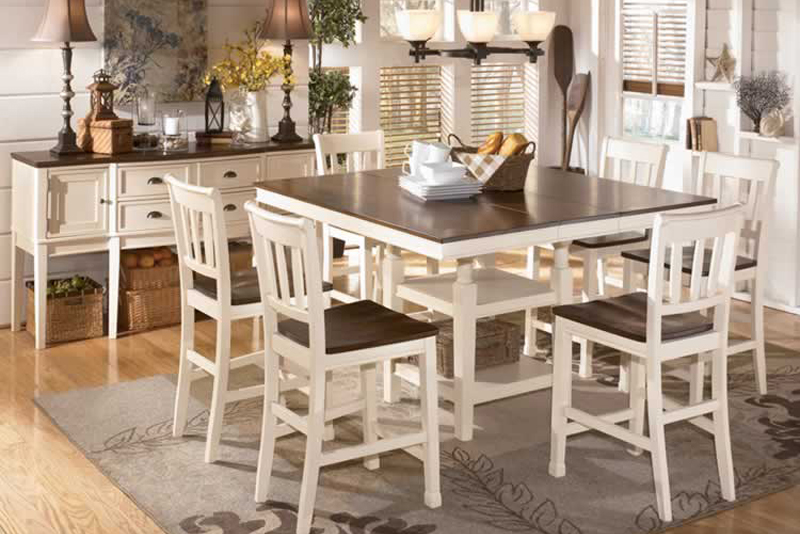
Country and rustic furniture overlap heavily through natural materials, visible texture, and informal forms. Rustic furniture generally pushes further toward raw timber, rugged surfaces, heavier texture, and obvious imperfections.
Country furniture covers a wider range. Rough wood fits, but so do painted cabinetry, traditional profiles, smoother finishes, patterned upholstery, and more delicate shapes.
The distinction between rustic and farmhouse styles helps illustrate the difference. Rustic emphasizes raw and weathered materials, while farmhouse applies many of those elements within a more specific practical rural setting.
When rough timber and weathered surfaces dominate the room, rustic country furniture becomes a more precise direction. This keeps the broader country category from being reduced to rugged furniture alone.
Is Rustic Furniture Always Country Style?
No. Rustic materials also appear in lodge, mountain, industrial, contemporary, and modern-rustic interiors, so visible timber and weathered metal do not automatically create a country room.
A live-edge table in a concrete-and-glass interior may look rustic without feeling country at all. Country furniture adds a more recognizable domestic or rural context through familiar furniture forms and softer surroundings.
The two styles overlap most strongly when rugged materials appear in practical, traditional shapes. That overlap explains why the terms often appear together even though they are not exact synonyms.
How Country Furniture Differs From Farmhouse Furniture
Farmhouse furniture belongs inside the wider country family but places stronger emphasis on utility. Tables, benches, practical storage, comfortable seating, and uncomplicated wooden pieces fit that branch especially well.
Country furniture stretches further toward cottage interiors, painted pieces, regional antiques, patterned textiles, and more decorative forms. A simple farmhouse table can therefore sit beside a painted country cabinet without conflict because the two styles share materials and practical proportions.
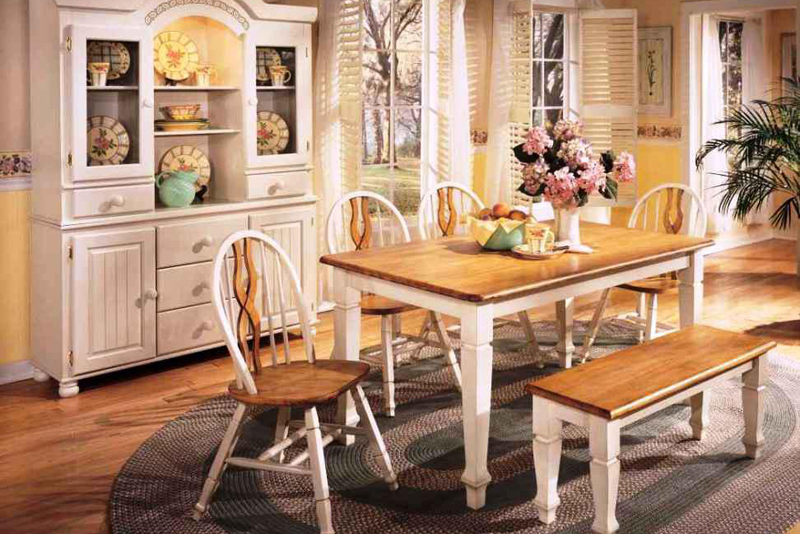
When functional farmhouse forms become the main focus, country farmhouse furniture offers a more specific direction. Tables, benches, storage pieces, and straightforward wooden furniture usually sit more naturally under that narrower label.
French Country Furniture Characteristics Feel More Refined
French country furniture shares the relaxed foundation of other country styles but allows more decorative detail. Curved lines, shaped legs, carving, painted finishes, upholstered seating, and softer silhouettes may appear beside straightforward wooden pieces.
Architectural Digest describes French country decor through a combination of rustic, homespun character and more refined forms and details. That contrast helps explain why an elegant painted cabinet can still belong to the same broad family as a simple wooden country table.
How Is French Country Furniture Different From Farmhouse?
Farmhouse furniture usually stays closer to simple lines and practical rural forms. French country allows more curves, decorative hardware, carved details, painted surfaces, and traditionally influenced shapes.
The difference is mainly one of emphasis rather than a hard boundary. Both can use natural timber, aged finishes, and upholstered seating, but graceful forms and decorative detailing play a stronger role in the French interpretation.
When those elements become central to the room, French country furniture becomes the more accurate description. It provides a clearer distinction than treating every decorative country piece as farmhouse furniture.
Country, Rustic and Farmhouse Furniture Compared
The boundaries between these styles remain flexible, and individual pieces can sit between categories. The table below shows the qualities each style tends to emphasize rather than rules every item has to follow.
| Feature | Country | Rustic | Farmhouse |
|---|---|---|---|
| Overall character | Comfortable, traditional, collected | Rugged, raw, material-led | Practical, casual, rural |
| Wood surfaces | Natural, painted, stained, or aged | Often rougher and visibly weathered | Natural, reclaimed, or simply painted |
| Furniture shapes | Traditional and varied | Often heavier and less refined | Functional and straightforward |
| Color | Neutrals plus muted traditional colors | Earthier and often darker | Frequently lighter and more neutral |
| Decoration | Can include pattern and regional detail | Usually restrained | Simple and informal |
| Main strength | Flexibility across several rural traditions | Texture and natural imperfection | Everyday practicality |
A painted pine table can feel both country and farmhouse, while a rough reclaimed cabinet may sit between country and rustic. The comparison is most useful for identifying which qualities dominate rather than deciding which label a piece is allowed to use.
How to Mix Country Style Furniture Without a Themed Look
Country rooms usually feel more convincing when furniture varies slightly in finish, age, shape, or material instead of arriving as one matching collection. Antiques are not necessary because newer pieces can create the same effect when they are not overly coordinated.
Start with one or two larger pieces that establish the room. A wooden table and cabinet can provide enough traditional form for smaller chairs, lamps, or side furniture to vary without weakening the overall direction.
Avoid repeating every recognizable country feature. If one cabinet already has distressed paint, the table, chairs, shelves, and console do not all need matching worn edges, while one carved piece may be enough among simpler furniture.
Wood tones can vary too. Shared undertones, hardware finishes, textiles, or proportions often connect mixed furniture more naturally than trying to match every stain.
How to Recognize Country Style Furniture Without Copying the Past
Country furniture does not need an antique label, artificial distressing, or the word farmhouse in its product description. A few quieter characteristics usually reveal more about whether a piece belongs naturally in the style:
- natural warmth or visible texture in the material;
- practical, familiar furniture shapes;
- proportions that feel comfortable rather than formal;
- paint or stain that still allows some material character to show;
- hardware appropriate to the size and construction of the piece;
- decoration that supports rather than hides the basic form;
- enough flexibility to mix with furniture of another age or finish;
- surfaces where ordinary wear could add character rather than immediately spoil the piece.
Not every item needs all of these qualities. A painted dresser and a natural oak table can reach a similar visual result through very different combinations of material and finish.
The common thread is informality without carelessness. Country furniture should feel usable and comfortable rather than deliberately rough simply to signal a style.
Country Style Furniture Works Best When the Rules Stay Flexible
Country furniture remains useful as a design category because it allows more variation than one strict visual formula. Painted cabinets, rough timber, upholstered chairs, French-influenced pieces, and practical farmhouse furniture can all belong without looking identical.
Materials, proportions, finish, and function are more reliable clues than mandatory distressing or artificial age. A piece does not need to be massive, pale, handmade, or genuinely old to work in a country interior.
The strongest rooms leave space for different periods and regional influences to coexist. Once every object follows the same country-style checklist, the relaxed character that made the furniture appealing in the first place starts to disappear.